6 Things To Learn in a Real Estate Investment Seminar
Listen, we’ve all been there. You’re sitting at your desk, scrolling through PropertyGuru or iProperty during your lunch break, wondering how that one friend from school just bought their third “investment unit” while you’re still counting your pennies for a down payment. If you’re an employee looking to level up from “saving” to “investing,” you’ve […]
Hajar Abdullah
April 7th, 2026
No Comments
Table Of Contents
Listen, we’ve all been there. You’re sitting at your desk, scrolling through PropertyGuru or iProperty during your lunch break, wondering how that one friend from school just bought their third “investment unit” while you’re still counting your pennies for a down payment.
If you’re an employee looking to level up from “saving” to “investing,” you’ve probably seen ads for a Real Estate Investment Seminar for Beginners. You might be skeptical. Is it a scam? Is it just a sales pitch?
Well, here’s the tea: while some are fluff, the right seminar is basically a cheat code for the Malaysian property market. We’re talking about moving beyond the basic “buy-stay-pay” mentality into the world of strategic asset ownership.
Today, we’re breaking down the 6 life-changing things you’ll actually learn at a Real Estate Investment Seminar for Beginners that can turn your financial life around.
1. Mastering the Game: Good Debt vs Bad Debt
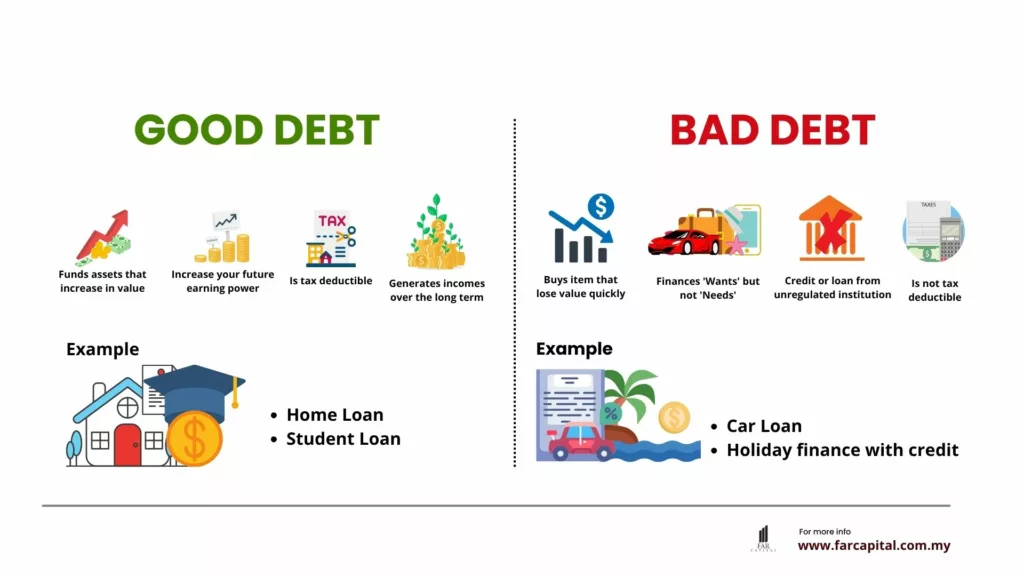
The first thing any legit Real Estate Investment Seminar for Beginners will drum into your head is that not all debt is created equal. Most of us were raised with the “hutang is bad” mantra. Your parents probably told you to pay off your credit cards and car loans as fast as possible.
They weren’t wrong about the car loans, but they weren’t entirely right about property.
What is Bad Debt?
Bad debt is money you borrow to buy things that lose value (depreciating assets). That sleek BMW? Bad debt. That high-interest credit card swipe for a vacation to Tokyo? Terrible debt. These things take money out of your pocket every month.
What is Good Debt?
Good debt is a tool. It’s borrowing money at a low interest rate (like a mortgage) to buy an asset that grows in value and generates income. If the bank gives you RM500,000 at 4.5% interest, and that property earns you a 7% return, you are winning.
2. The No-Money-Down Magic: Zero-Cost Property Acquisition
“You need a 10% deposit to buy a house.”
That’s the biggest myth in Malaysian real estate. If you’re waiting to save RM60,000 to buy a RM600,000 condo, inflation will outpace your savings before you even reach the halfway mark.
At a Real Estate Investment Seminar for Beginners, experts will show you how to find Zero-Entry deals. These usually happen through:
Developer Rebates: Developers often offer 10%, 15%, or even 20% rebates that cover your initial down payment.
Mark-Up Loans: Legally structured deals where the valuation allows you to cover the entry costs.
Government Schemes: For the M40 group, there are often specific incentives for first and second-time buyers that minimize upfront costs.
Imagine owning an asset worth half a million ringgit without touching your EPF Account 2 or your hard-earned savings. That’s not a dream; it’s just math.
3. The Ultimate Plot Twist: Getting Paid to Buy a Property
Wait, what? The bank gives me money?
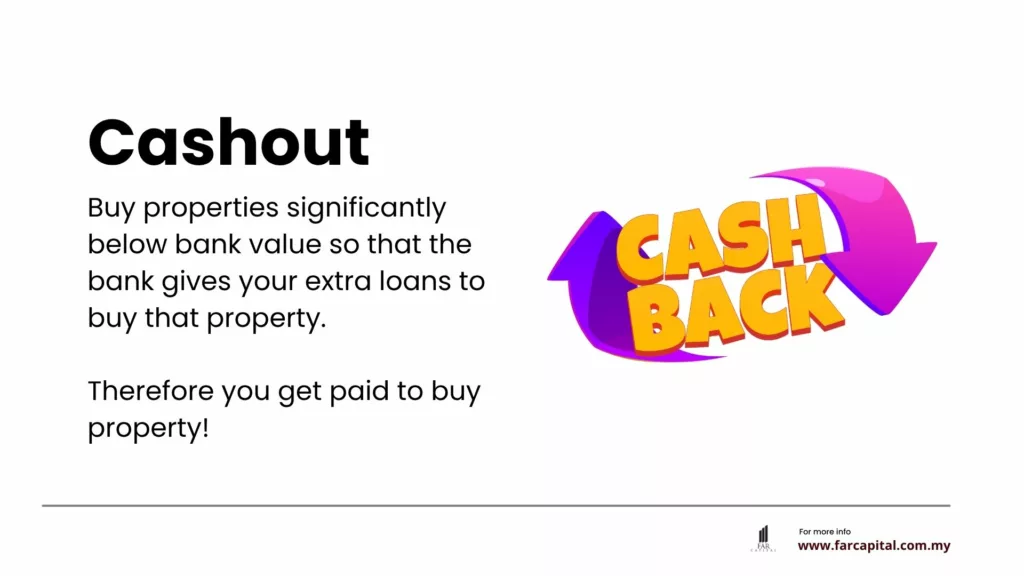
Yes. This is called Cashback or Cashout. In a structured Real Estate Investment Seminar for Beginners, you’ll learn that certain under-market-value (BMV) properties or high-rebate new launches allow for a surplus of funds after the loan is disbursed and the developer is paid.
Let’s say a property is valued at RM500,000. Through a combination of rebates and smart negotiation, the “purchase price” on paper remains RM500,000, but the actual cost is RM420,000. After paying for legal fees and stamp duty, you might find yourself with a check for RM50,000 in your hand.
This isn’t “free money”, it’s part of your loan but when used correctly, it’s the most powerful capital you’ll ever have.
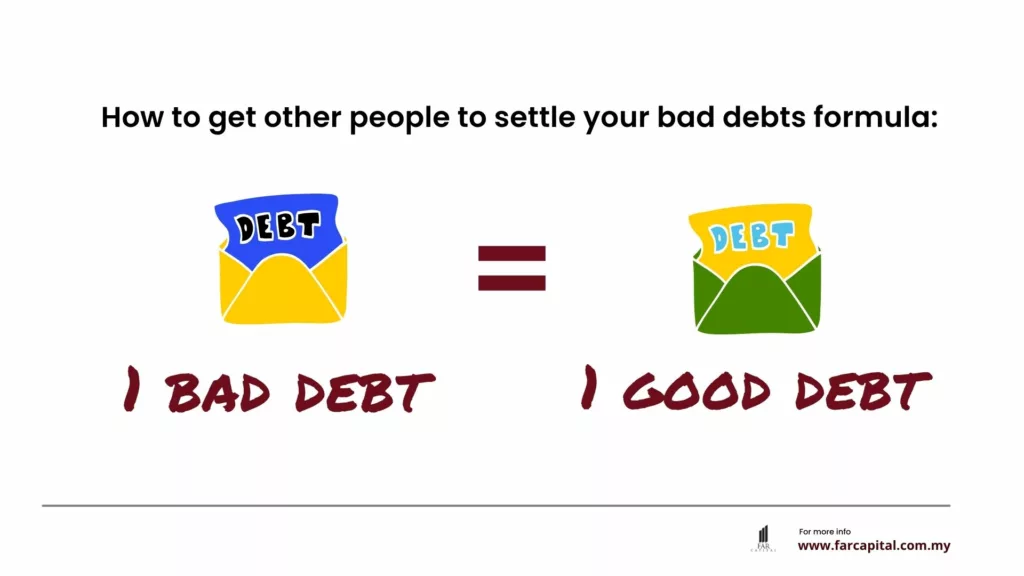
4. The Debt Cleanse: Using Cashout to Kill Your Bad Debt
This is where the strategy gets spicy for the Malaysian middle class. Many M40s are “paper rich” but “cash poor,” struggling with personal loans or 18% interest credit card debts.
A Real Estate Investment Seminar for Beginners teaches you the Debt Consolidation hack. Instead of paying 18% interest on a credit card, you use the RM50,000 cashout to settle those high-interest debts.
By doing this, you’ve effectively “shaved” your interest rate down from 18% to the mortgage rate of around 4.5%. Your monthly commitment drops, your credit score (CCRIS/CTOS) improves, and you now own a property that is appreciating in value.
“Don’t work for your money; make your debt work for your freedom.” This is the motto of every successful property mogul.
5. The Glow-Up: Renovating Using Your Cashout
If you’ve settled your debts and still have cash left over, don’t spend it on a new iPhone. Use it for Value-Add Renovations.
You’ll learn in the seminar that a “bare” unit rents for the bare minimum. But a unit with a functional kitchen, nice lighting, and a partitions-for-rooms (if you’re doing sub-letting) can fetch 30% to 50% more rent.
By using the cashout from the bank to renovate, you aren’t dipping into your monthly salary. You are using the bank’s money to increase the value of the bank’s collateral, which in turn attracts high-quality tenants. It’s a win-win-win.
6. The Final Boss: Positive Cashflow
The ultimate goal of attending a Real Estate Investment Seminar for Beginners is to achieve Positive Cashflow.
Most amateur investors fall into the “Negative Cashflow” trap—where the rent is RM1,500 but the bank installment is RM1,800. They have to “top up” RM300 every month. That’s not an investment; that’s a liability.
Through the techniques learned—like choosing the right location (near LRT/MRT), understanding the rental demand for the M40 demographic, and smart renovation—you aim for a scenario where:
Rent Received: RM2,200
Bank Installment: RM1,700
Maintenance/Fees: RM200
Net Profit: RM300/month
That RM300 is passive income. Multiply that by 5 or 10 properties over a decade, and you’re looking at a very comfortable retirement.
Conclusion
The Malaysian economy is shifting. With the cost of living rising in hubs like Kuala Lumpur, Penang, and Johor Bahru, relying solely on a 9-to-5 is risky. Property remains one of the most stable hedges against inflation.
By attending a structured training session, you move away from “guessing” and start “calculating.” Plus, investing in yourself is the only investment with a guaranteed return. A Real Estate Investment Seminar for Beginners isn’t just about houses; it’s about buying back your time and your future.